
PS Shaukat Calls for Science-Driven Solutions to Bridge Africa's Cancer Care Gap
PS Shaukat Calls for Science-Driven Solutions to Bridge Africa's Cancer Care Gap
Principal Secretary for the State Department for Science, Research and Innovation, Prof. Shaukat Abdulrazak, has called for greater investment in science, research and innovation to build equitable radiotherapy services and improve cancer care across Africa.
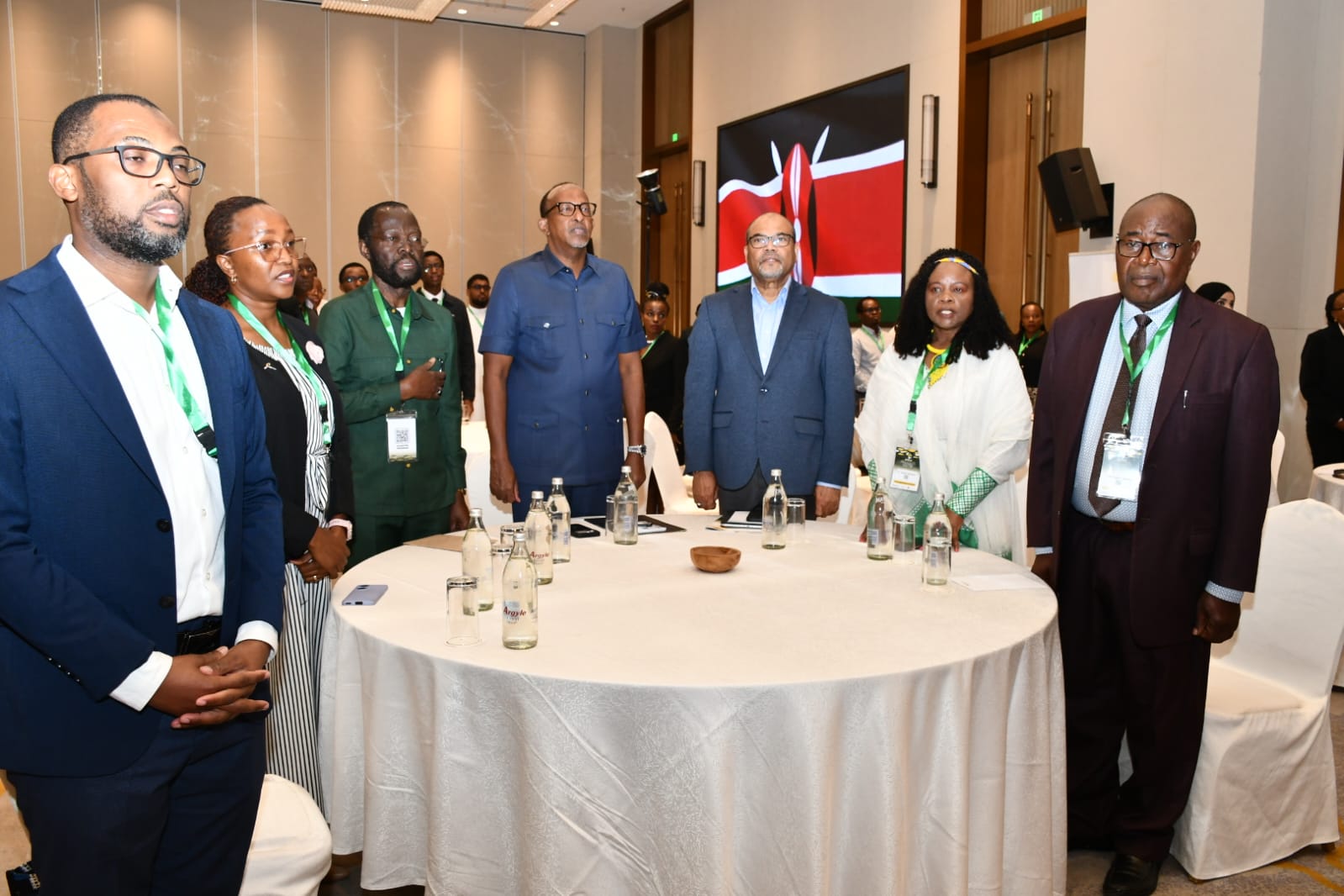
Speaking during the African Organisation for Research and Training in Cancer (AFROG) Annual Scientific Conference 2026 in Nairobi, Prof. Shaukat said Africa must move beyond simply acquiring radiotherapy equipment and instead invest in resilient healthcare systems, skilled personnel, research, innovation and data-driven decision-making to ensure quality cancer treatment is accessible to all.
The conference, officially opened by Cabinet Secretary for Health Hon. Aden Barre Duale, brought together policymakers, researchers, clinicians and development partners to explore strategies for strengthening cancer prevention, diagnosis and treatment across the continent.
Delivering his keynote address on "Building Equitable Radiotherapy Services in Africa," the Principal Secretary noted that over one million Africans are diagnosed with cancer every year, with many patients unable to access life-saving radiotherapy services. He emphasized that equitable access to cancer treatment is both a public health and development priority.
Prof. Shaukat outlined key lessons from Africa's journey in expanding radiotherapy services, stressing that successful cancer care depends on building complete healthcare systems rather than focusing solely on equipment. He highlighted the need to strengthen the oncology workforce, retain skilled professionals, foster African-led partnerships and expand cancer registries to generate reliable data for planning and policy formulation.
The Principal Secretary further presented a five-pillar framework for achieving equitable radiotherapy across Africa, anchored on national commitment, decentralization of quality services, evidence-based practice, workforce development through regional collaboration, and innovation. He said these pillars provide a practical roadmap for governments and stakeholders working to close the continent's cancer treatment gap.
Prof. Shaukat also highlighted the State Department for Science, Research and Innovation's priorities in advancing precision medicine, strengthening research networks, leveraging artificial intelligence, bridging Africa's genomic data gap, and promoting local manufacturing and commercialization of health innovations to support resilient healthcare systems.
Calling for collective action, Prof. Shaukat urged governments to recognize radiotherapy as essential health infrastructure and encouraged development partners to support African-led, evidence-based solutions.
He concluded by emphasizing that science has already provided the evidence and viable solutions, and that what is now required is sustained political will and strategic investment to ensure no African's chance of surviving cancer is determined by where they live.
The AFROG Annual Scientific Conference continues with scientific sessions, policy dialogues and technical exchanges aimed at strengthening oncology research, innovation and equitable access to quality cancer care across Africa.